
Digital Forensic

Digital forensics is the branch of forensic science that focuses on identifying, obtaining, processing, analyzing, and reporting electronically stored data. Electronic evidence is a component of nearly all criminal activity, and digital forensics support is essential for law enforcement investigations. Digital forensics began to evolve more than 30 years ago. This field originated mainly in […]
Why is Documentation Necessary in Artworks?

Every work of art is unique with its production technique, materials used, and aesthetic features. It reflects the characteristics of the period it was produced and has a document value with this feature. Artworks are threatened by natural hazards, vandalism, aging, etc. For this reason, detailed documentation should be carried out to transfer the data […]
Touch DNA on Knife
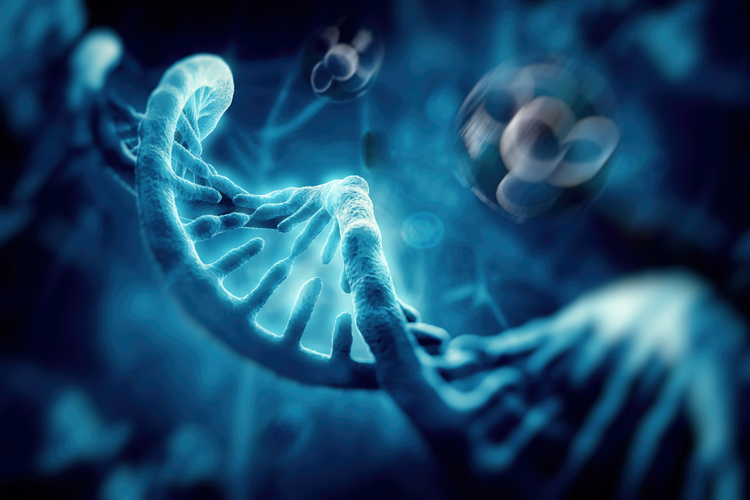
The manner of injury may be a clue to the blade used for stab wounds and to the nature of the attack. For example, a cutting action can cause long but superficial cuts, while a deep puncture wound with a stud can result. A forensic investigator can measure the timing of the dashes to determine […]
Document & Art Examination

Document & Art Examination Forensic Document Analysis is a branch of forensic science in which a forensic document reviewer evaluates disputed documents in the legal system. Inquired document reviews involve comparing the document to a set of known standards (i.e., real examples). The purpose of the forensic document expert is to systematically evaluate the […]
Wildlife Forensics
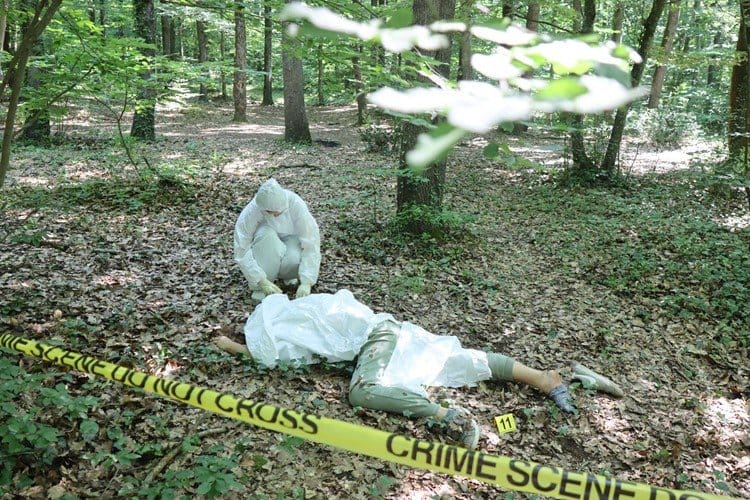
Wildlife forensics is the application of science to legal cases involving wildlife. This field uses scientific procedures to investigate wildlife-related crimes, including the exotic pet trade, poaching, other illegal hunting activities, and even oil spills. Wildlife crime is a current global problem due to the illegal trade of wildlife flora, fauna, and products all over […]
Palm Print Identification in Forensic Sciences
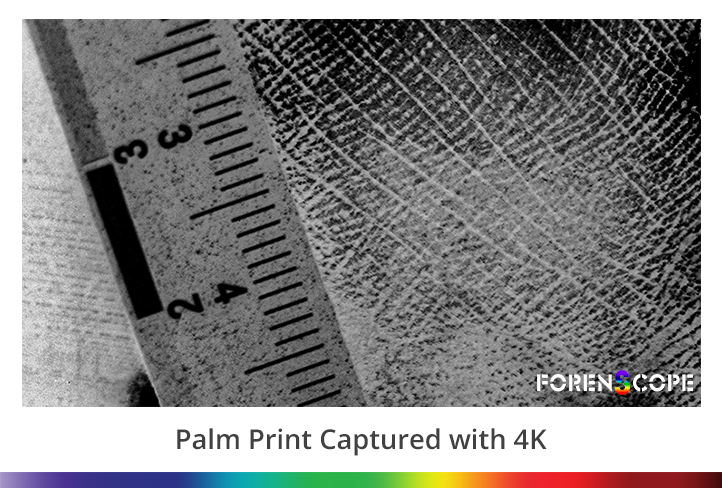
Palm Print Identification in Forensic Sciences Palm prints are generally considered an identification by forensic scientists. Identification with palm fingerprints has become an essential tool in identifying criminal suspects. Law enforcement estimates that about a third of crime scene scars come from the palms of the hands. Palm identification can be beneficial in thefts […]
Tire Track & Footprint
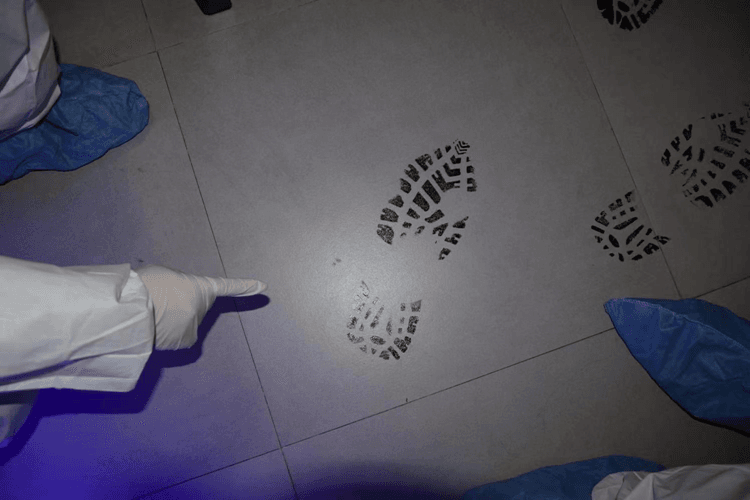
Footprint &Tire Track Traceology is a discipline that develops scientific and technological tools to uncover, preserve and examine traces to clarify situations that can aid in the investigation and prevention of crime. Traces are classified as trace-reflections, trace-objects and trace substances. Shoe marks and tire marks belong to the trace reflection group. The main […]
TOUCH DNA SERIES II
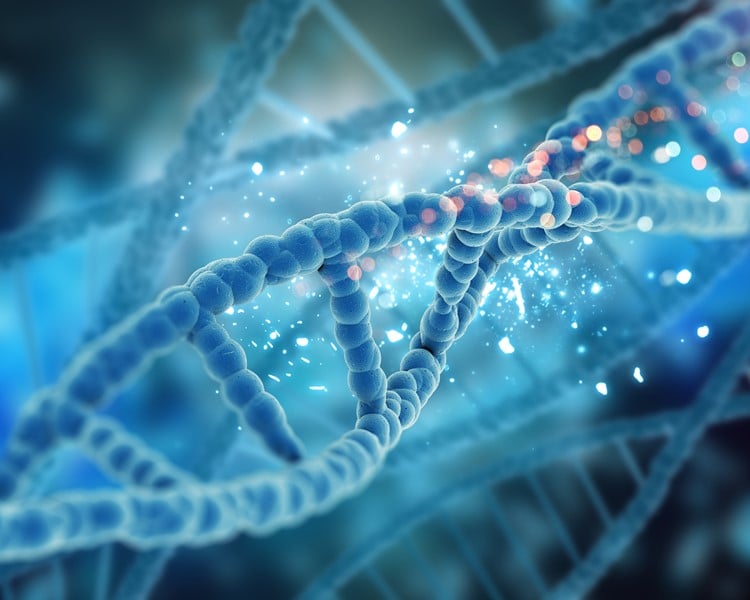
TOUCH DNA SERIES II Touch DNA technology, which is used in the area for forensic sciences, is among the most frequently used methods, especially in recent years. This method, which has advanced and highly acute analysis and examination technology, brings a careful usage procedure to the timetable for experts. Thanks to that method, it is […]
TOUCH DNA SERIES I
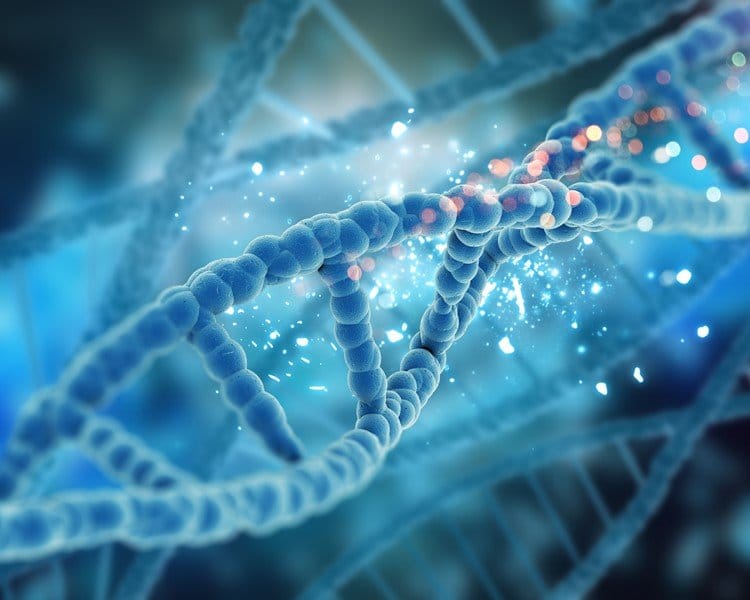
TOUCH DNA SERIES I Forensic Science is a multidisciplinary science that assists criminal investigation. DNA analysis plays a key role in linking a suspect to a crime during the crime investigation phase. According to Locard’s principle of exchange, when a suspect comes into contact with the crime scene, he takes something with him from […]
UV Photography for Examination of Artworks

UV Photography for Examination of Artworks As Forenscope, our multispectral imaging technologies have an active role in the analysis of artworks and artifacts as well as the applications in forensic sciences. The first diagnoses performed in art examinations are the visual analyses. Visual analyses are conducted first by examining the artworks/artifacts with the naked […]