This next-generation imaging technology offers significant advantages in forensic examination processes by helping to reveal evidence at crime scenes that is invisible to the naked eye.
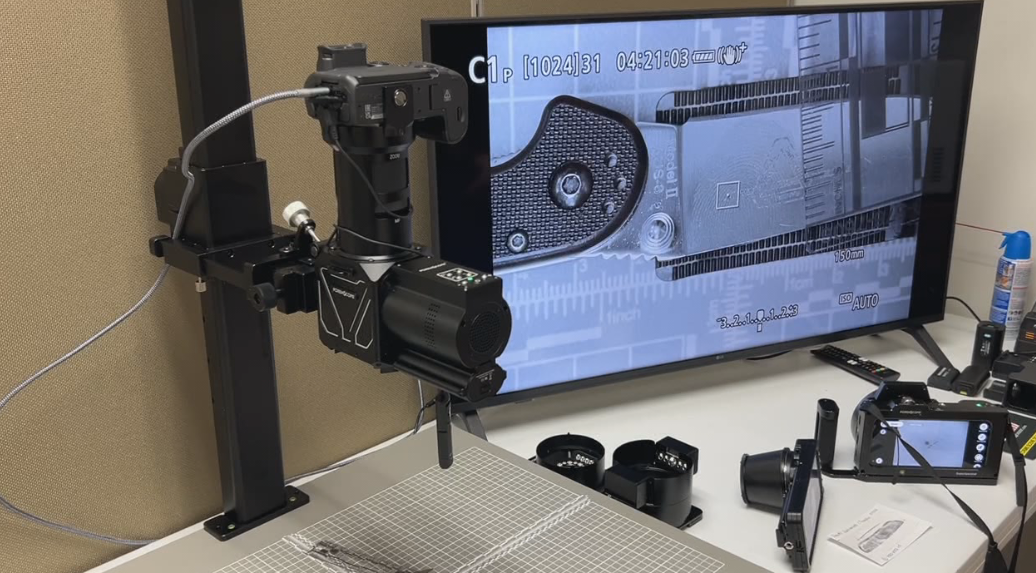
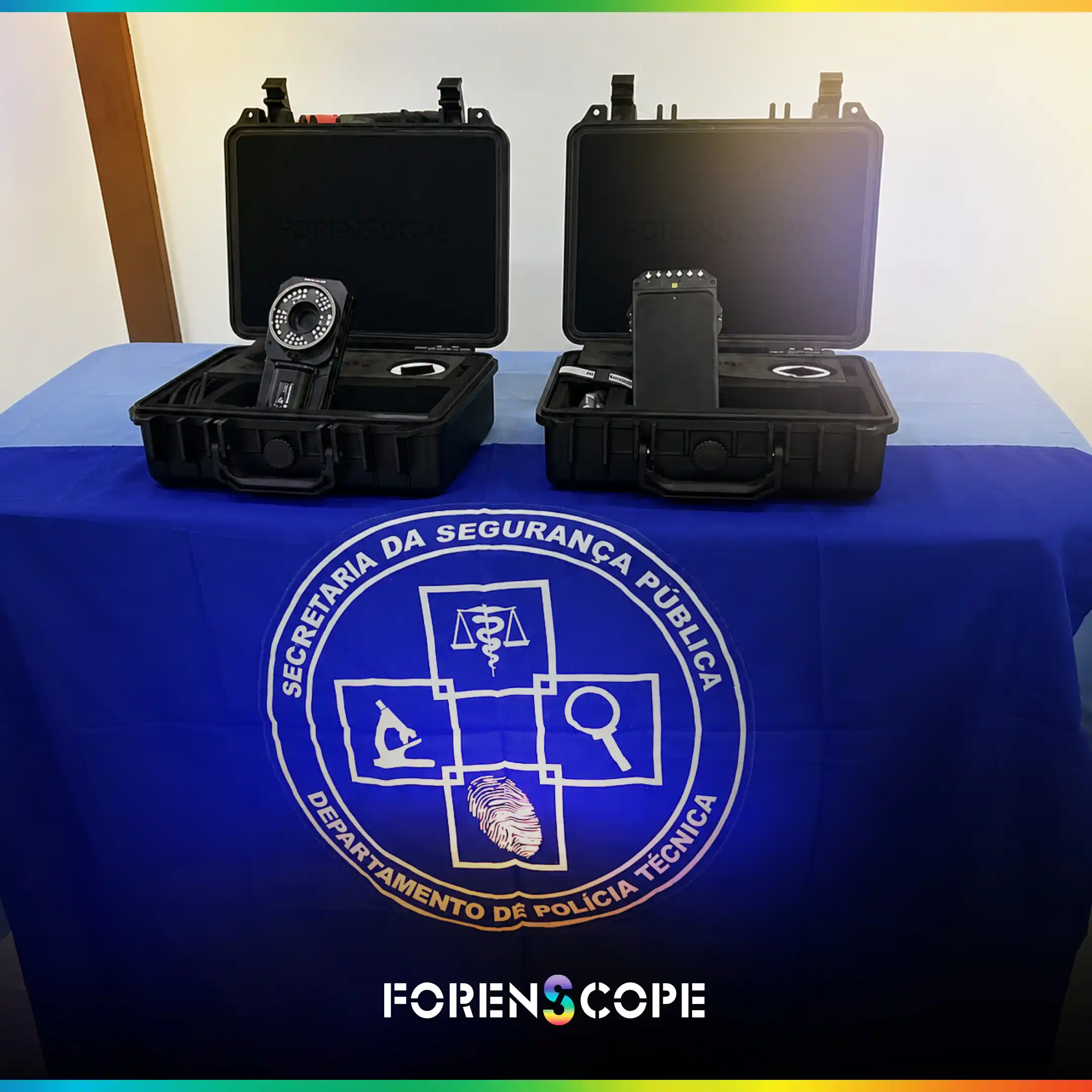
The Amherst County Sheriff’s Office, operating in the state of Virginia, USA, continues to strengthen its evidence detection capabilities by utilizing advanced imaging technologies in forensic examination and crime scene investigation processes. The SuperSpectral imaging system used by the department enables the detection of traces and findings at crime scenes that cannot be seen with the naked eye.
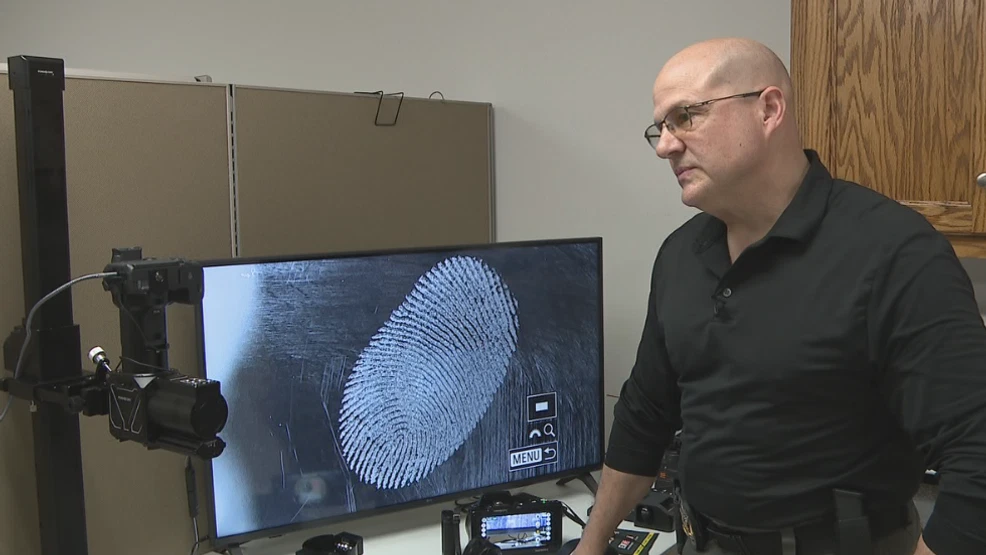
According to information shared by officials, the technology supports a more detailed examination of bruises, blood traces, biological evidence, and forensic materials found on various surfaces. During a live demonstration, it was reported that an injury mark not normally visible under standard conditions could be clearly visualized using the device.
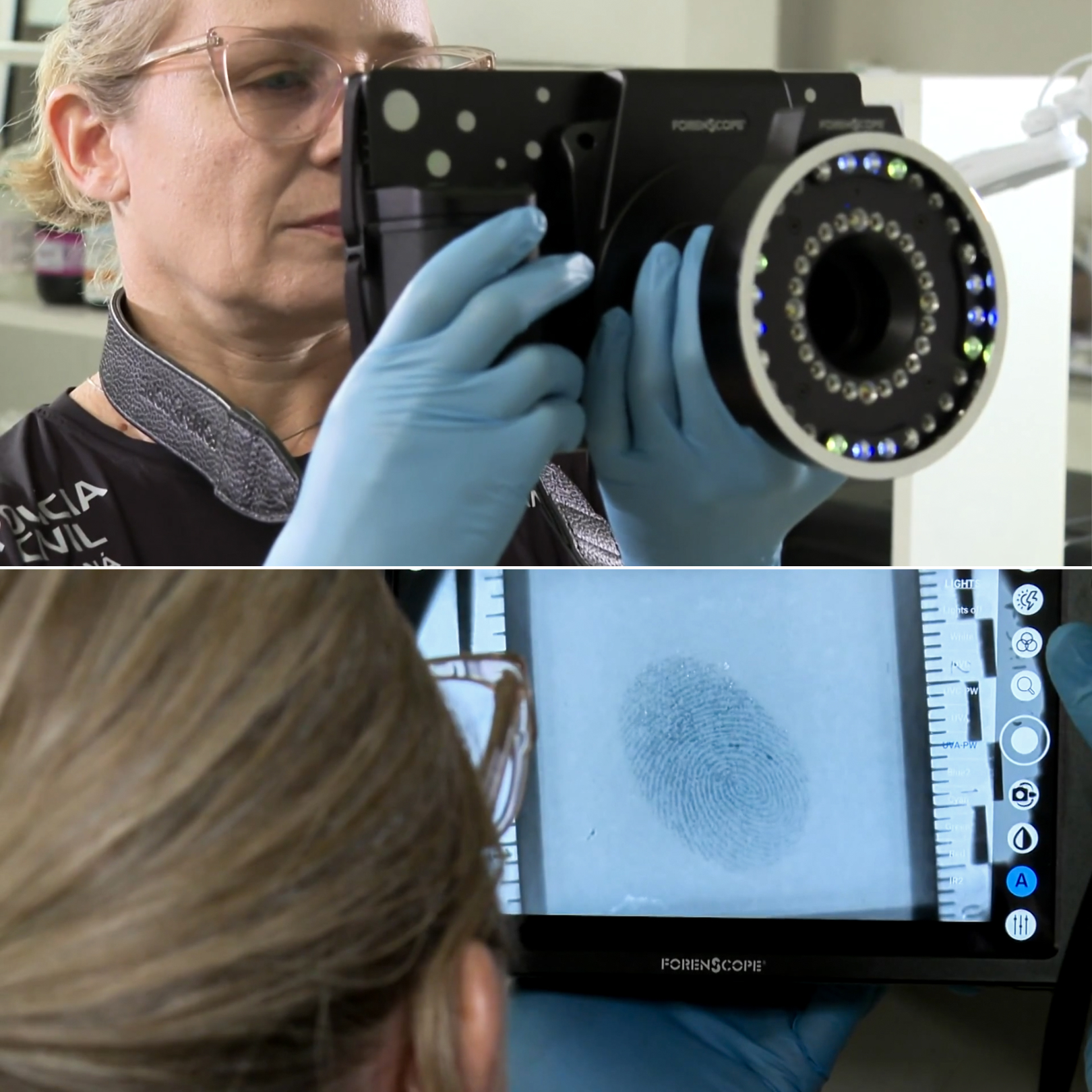
The system stands out for its ability to assist in the detection of different types of evidence, including blood, bodily fluids, fingerprints, and gunshot residue. In this respect, the technology provides crime scene investigation teams with a faster, more comprehensive, and more effective assessment process, while also serving as an important tool that supports the accuracy of forensic analyses.
As the use of advanced imaging solutions in the field of forensic science continues to gain importance, such technologies are considered to make significant contributions to the visualization, documentation, and evaluation of findings obtained during investigative processes.
Spectral imaging technologies are expected to find broader application in forensic examination practices in the coming years and to further enhance the technical capacity of crime scene investigations.