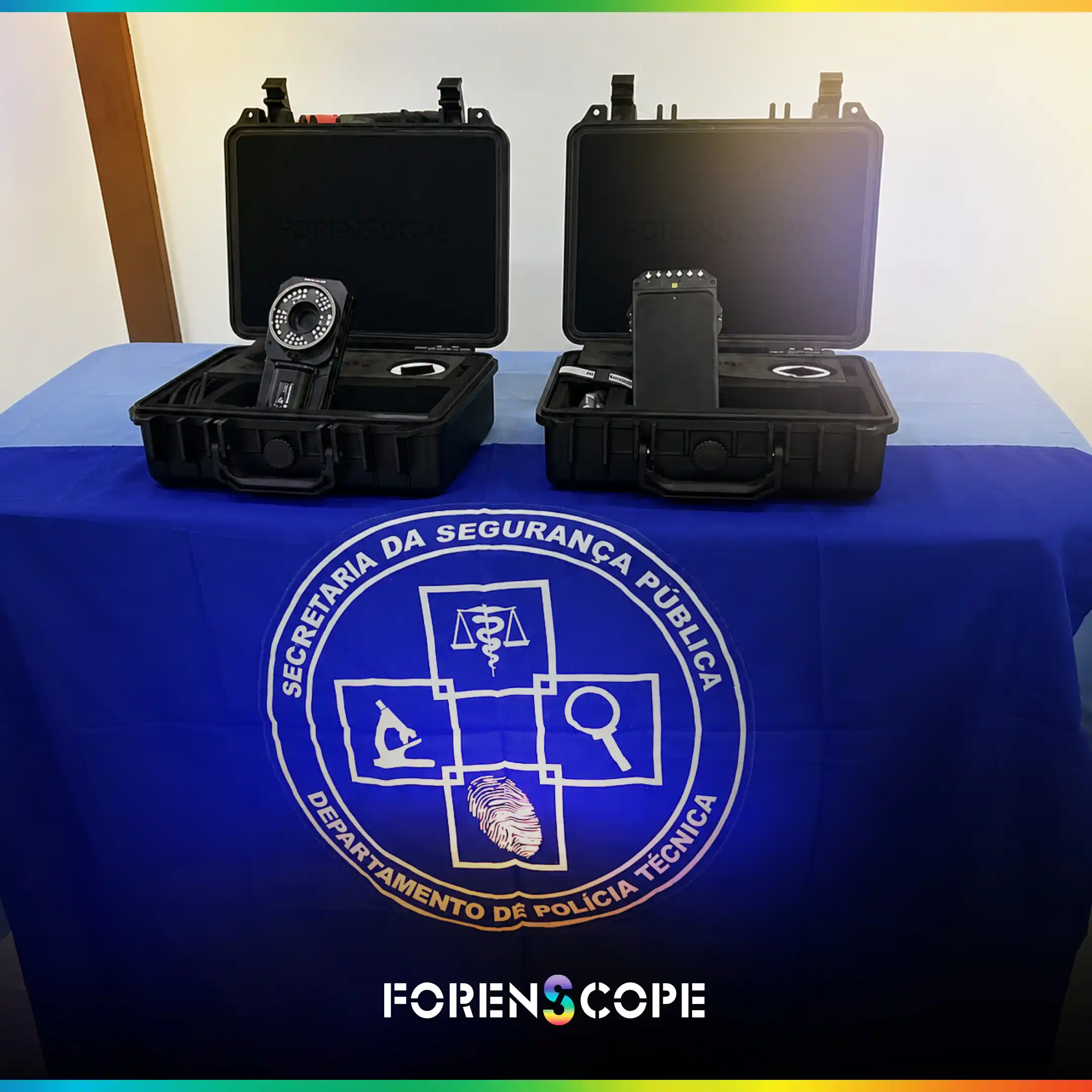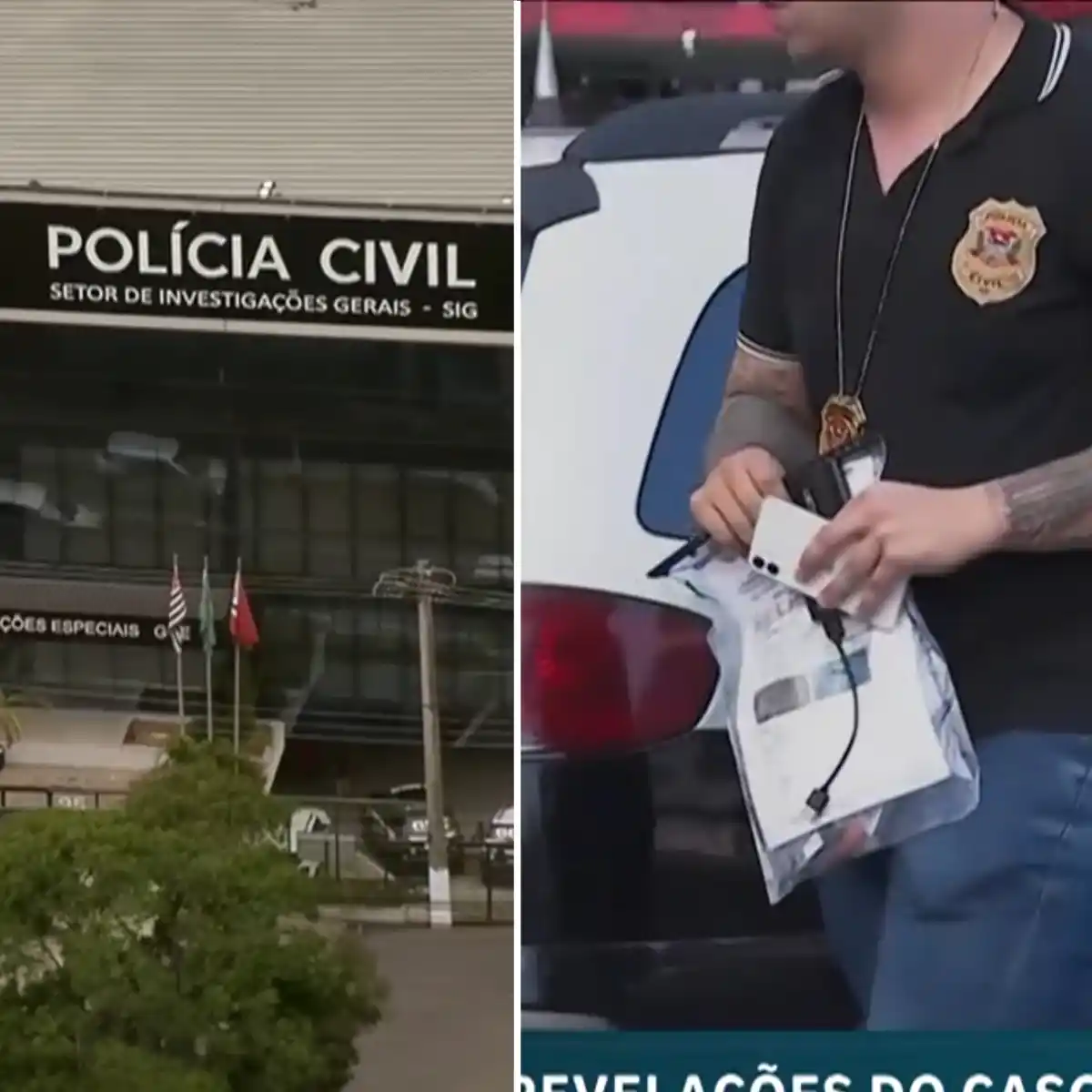
During the Caso Vitória investigation, a high-profile case closely followed by the public in Brazil, ForenScope technology supported the detection of biological traces that were later confirmed to be human blood.
Vitória Regina de Sousa, a 17-year-old resident of Cajamar, Brazil, disappeared on 26 February 2025 after leaving work. Her body was found approximately one week later in a wooded area in the São Paulo metropolitan region. Although more than a year has passed since the incident, some questions remain unanswered, including whether there was a possible accomplice and precisely how the events unfolded.
ForenScope Used During a Follow-Up Examination
According to an investigation summary published by R7, the initial forensic examination carried out on 10 March 2025 at the address identified as the suspect’s residence found no evidence of human blood.
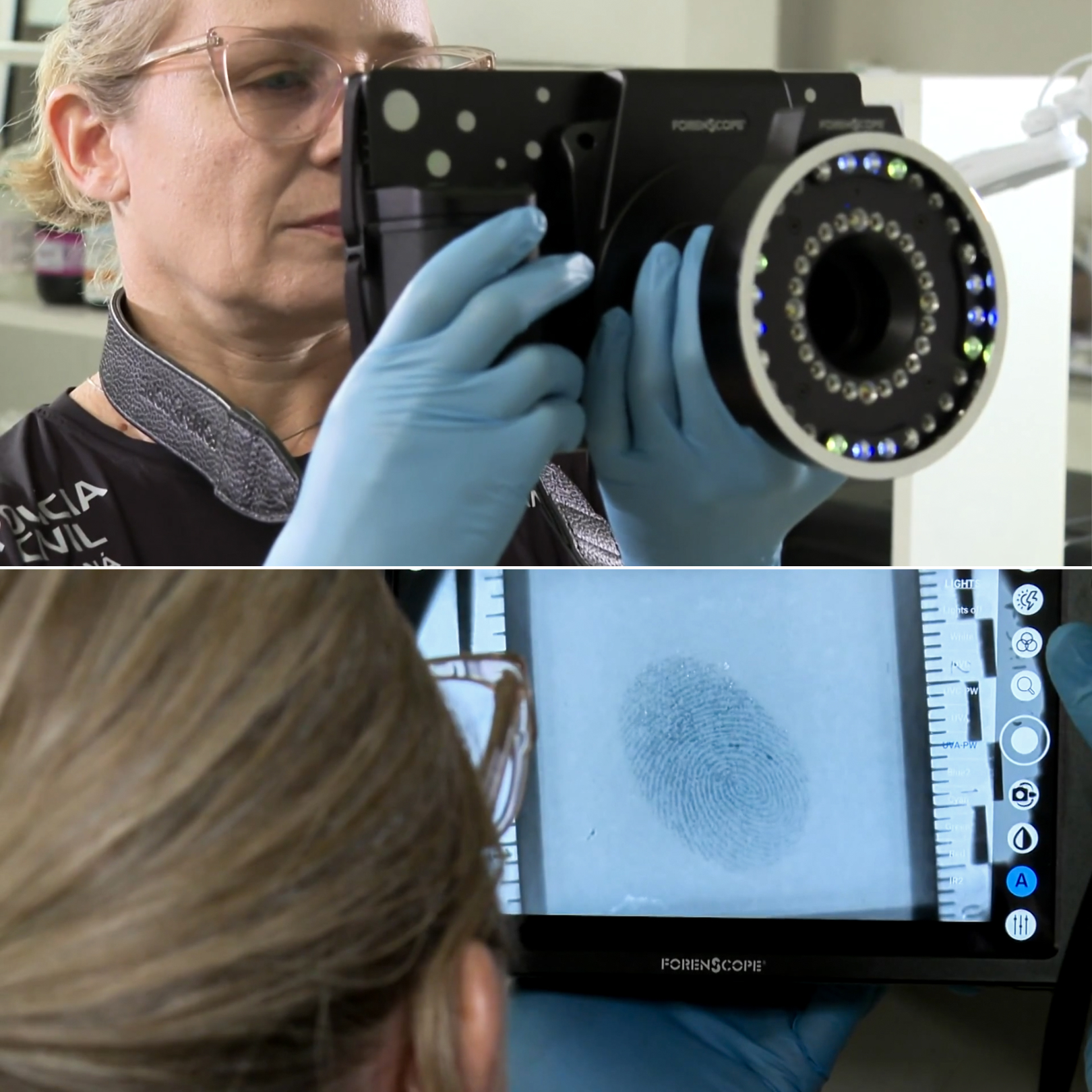
The following day, a different team of experts returned to the scene and repeated the examination using a ForenScope system. The subsequent forensic report stated that biological traces were detected on the bathroom door and were later confirmed to be human blood.
This development highlighted the importance of reassessing complex crime scenes using different imaging methods and applying advanced forensic technologies to investigate findings that may not have been visible during the initial examination.
ForenScope’s MultiSpectral and SuperSpectral imaging technologies support the examination of biological traces, bloodstains and other forensic findings that are not sufficiently visible under standard illumination by using different wavelengths. This approach helps enhance the visibility of traces, particularly on dark, patterned or visually complex surfaces.
The Role of Advanced Imaging Technologies in Forensic Examinations
The use of a ForenScope system in the Caso Vitória investigation demonstrates the contribution that advanced forensic imaging technologies can make not only to routine examinations but also to critical cases requiring reassessment.
While assessments concerning the investigation and legal process remain under the authority of the relevant institutions, ForenScope technology was among the important technical tools used to investigate biological traces at the scene and make them visible for expert evaluation.