
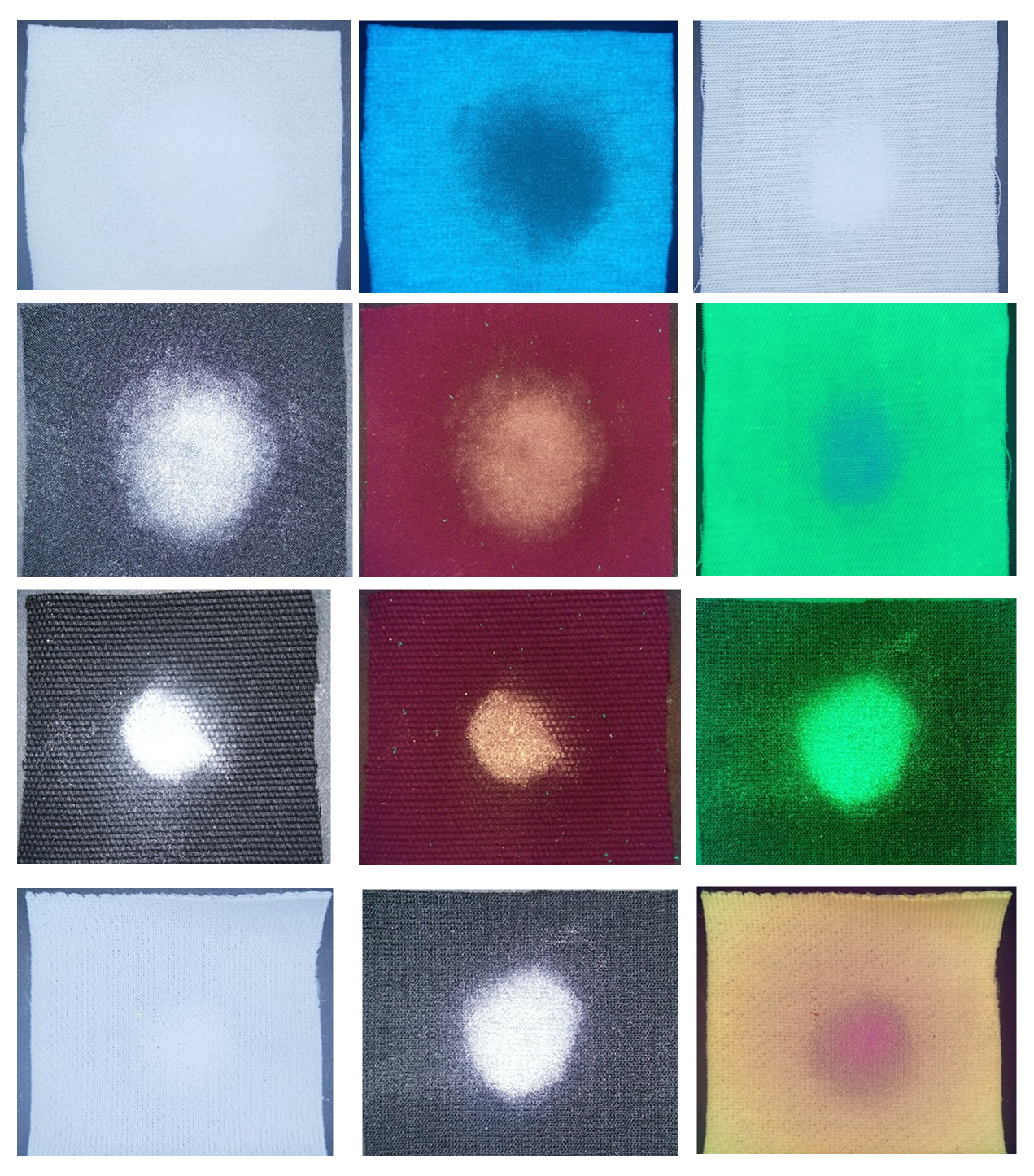
In crime scene investigation processes, the accurate detection, documentation, and analysis of physical evidence are essential to the reliability of the judicial system. Many chemical substances, particularly on textile surfaces, can be present in a manner entirely undetectable to the naked eye. This challenge becomes even more acute when illicit drugs or pharmaceutical residues are involved. Detecting these residues on textiles allows for significant inferences regarding the nature of the crime, the methods employed, and the relationship between the involved parties. This is especially true in cases involving drug trafficking, substance dilution and manipulation, toxicological incidents, and attempts to conceal evidence.
Due to their fiber structure, porosity, and surface characteristics, textiles are highly effective evidence carriers capable of retaining trace chemical substances. Because a large proportion of contact involves textiles related to crime, the detailed analysis of fabric surfaces plays an essential role in forensic investigations. Advanced imaging technologies now allow investigators to reveal traces that cannot be detected visually. SuperSpectral imaging systems are among the most advanced analytical methods for this purpose, allowing for the identification of chemical and physical surface variances by capturing and analyzing data across a highly resolved range of wavelengths.
Study Objectives
In this study, the detectability of specific pharmaceutical compounds thus with a high potential for use as adulterants or cutting agents in illicit drugs on textile surfaces was systematically investigated. The primary objectives were to answer the following questions:
- Can pharmaceutical residues be detected on fabrics, and to what degree of visibility?
- Does the fabric type (e.g., cotton, polyester) affect the detection process?
- Does the contrast between light and dark colored fabrics alter the analysis?
- Do substances behave differently when applied in powder versus solution forms?
- How do varying surface types and application conditions specifically affect overall detection performance?
Analyzed Fabric Samples
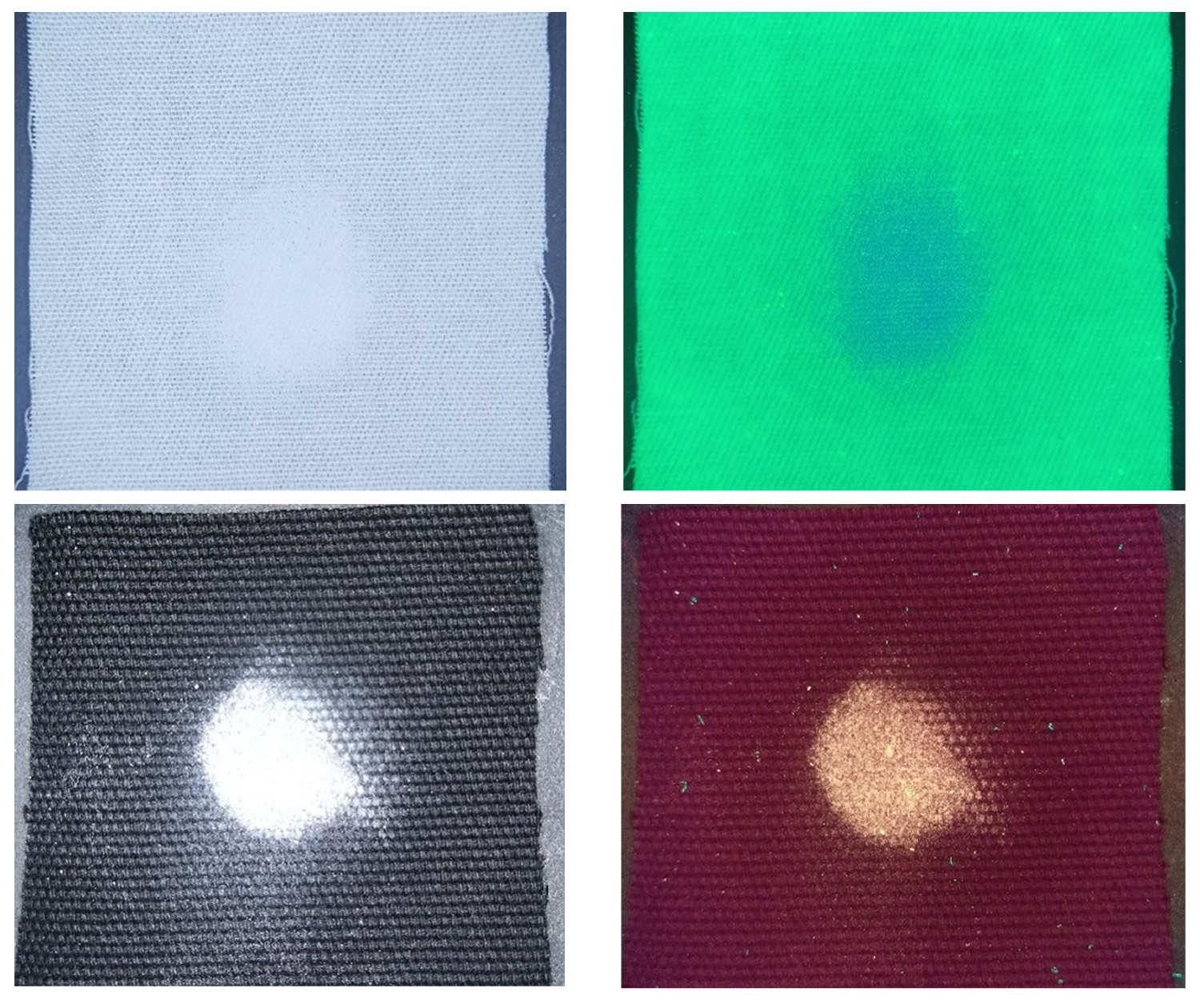
Cotton Fabric
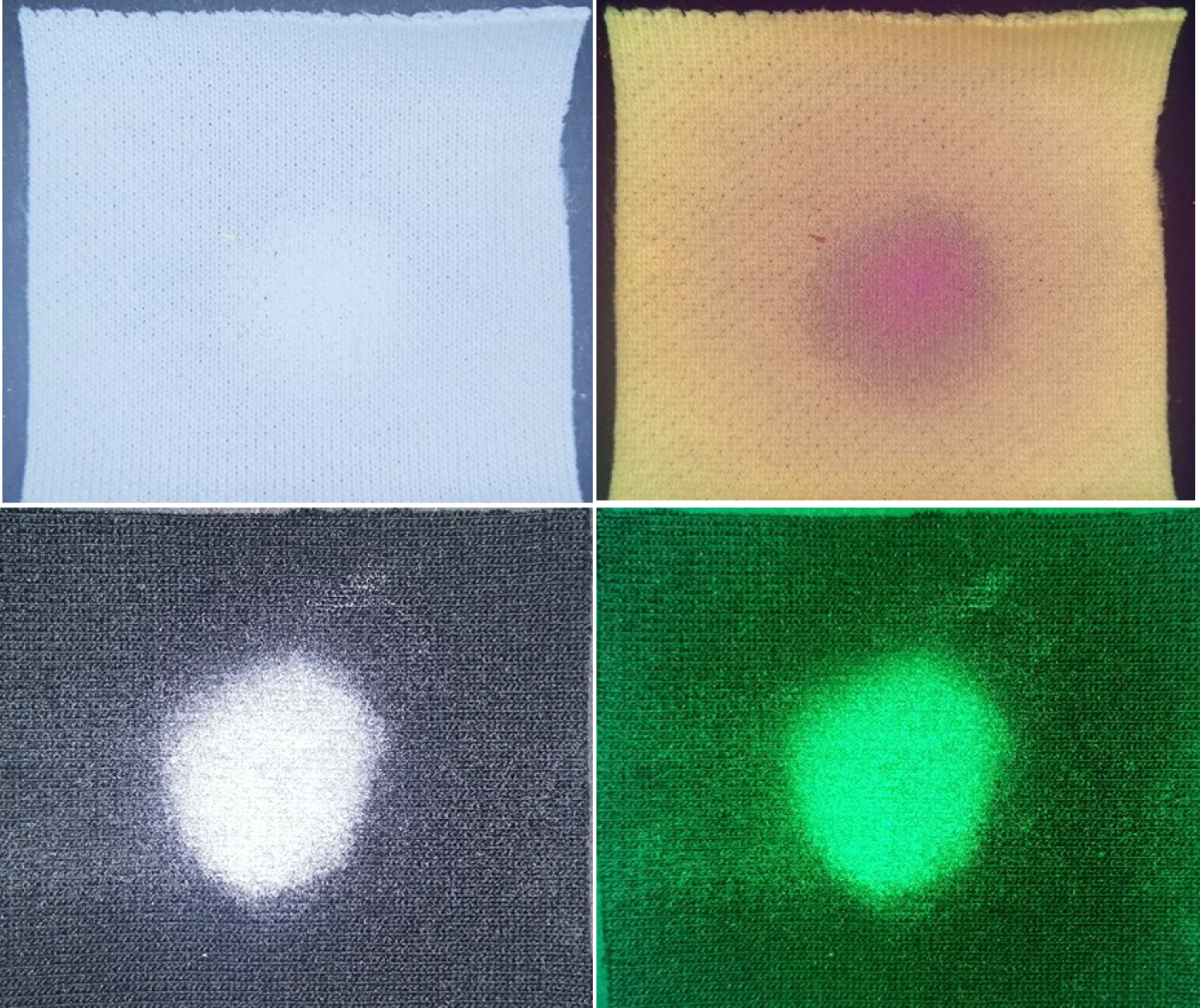
Cotton-Polyester Blend Fabric
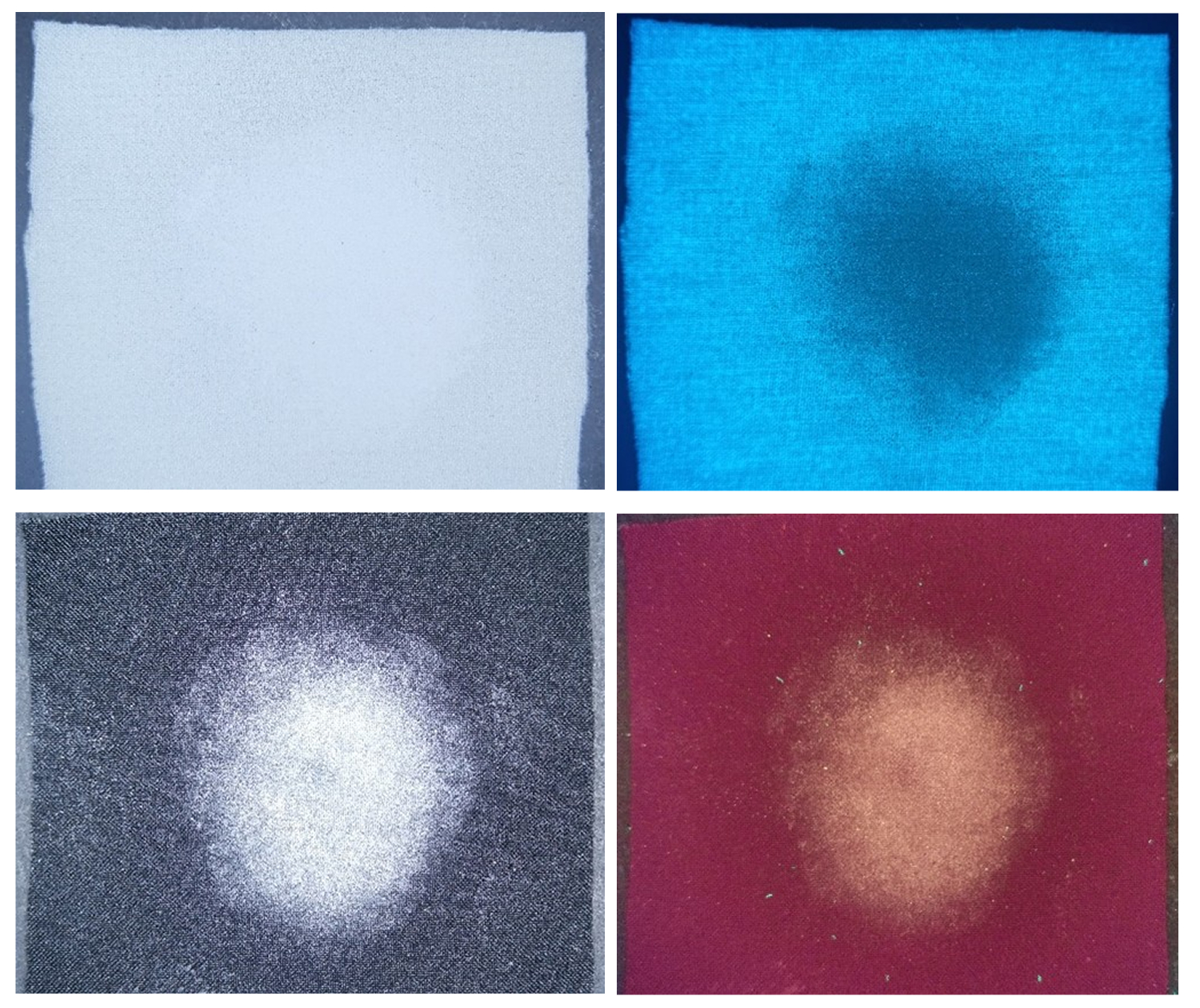
Polyester Fabric
Advantages of SuperSpectral Imaging in Forensics
SuperSpectral Imaging Systems offer several key advantages in forensic analysis operations:
Non-Destructive Examination: Analyses are performed without causing any physical or chemical alteration to the sample, preserving evidence integrity for court proceedings.
Rapid Preliminary Assessment: Investigators obtain actionable results quickly, whether utilized directly at the crime scene or within a controlled laboratory environment.
High Sensitivity: The technology reveals microscopic residues and latent traces that would otherwise remain entirely undetected.
The Importance of Findings for Forensic Sciences
The findings obtained from this study demonstrate that:
- Pharmaceutical residues can be successfully and distinctly detected on textile surfaces.
- The application of different light wavelength combinations directly impacts detection capabilities.
- Fabric type and color significantly alter the success rate and clarity of the analysis.
- Powder and liquid forms of the same substance leave fundamentally different trace patterns.
These results provide operational intelligence utilized in drug trafficking investigations, poisoning cases, and comprehensive crime scene analyses.
Conclusion
SuperSpectral imaging technology provides non-destructive, rapid, and highly sensitive analytical capabilities for forensic sciences. Focused specifically on textile surfaces, this study demonstrates the technology’s efficacy in uncovering invisible evidence. As imaging technologies advance, forensic analysis will continue to become faster and more reliable. Consequently, SuperSpectral systems are positioned to become an integral component of both crime scene investigations and advanced laboratory analyses.