Forensic science relies on the systematic analysis of physical evidence to establish a nexus between a suspect and a crime scene. This foundational concept is governed by Locard’s Exchange Principle, which posits that every physical contact results in a bidirectional transfer of trace material. In practical terms, individuals routinely shed epithelial cells upon interacting with surfaces. The genetic material recovered from these microscopic cellular deposits, formally referred to as Touch DNA, has emerged as a critical investigative tool in modern law enforcement.
The Biological Basis of Trace Evidence
Deoxyribonucleic acid serves as the fundamental genetic blueprint for living organisms. It consists of nucleotide sequences formed by four primary bases adenine (A), cytosine (C), guanine (G), and thymine (T) bound to a sugar-phosphate backbone.
In forensic applications, Touch DNA, also designated as Trace DNA or Low Copy Number (LCN) DNA, refers specifically to the minute quantities of genetic material transferred through transient physical contact with an object, environment, or individual. Because this transfer involves only a marginal number of skin cells, the resulting samples are substantially smaller than those obtained from conventional biological fluids like blood or saliva, necessitating highly sensitive analytical protocols.
Identification and Recovery Operations
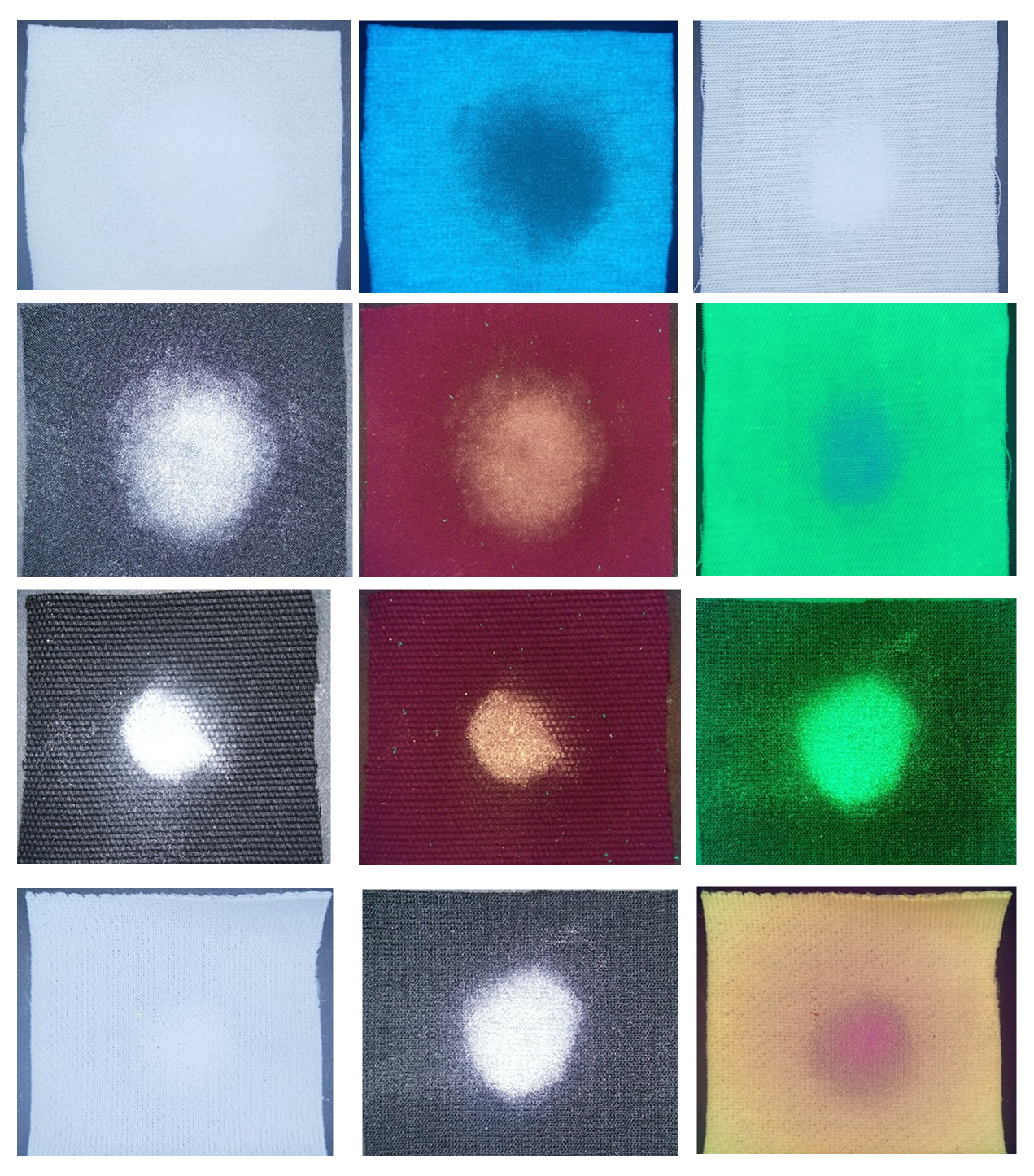
The primary operational challenge in trace DNA analysis is locating viable evidence, as cellular transfer is generally invisible to the naked eye. Forensic investigators often deploy alternate light sources to screen target surfaces that have a high probability of tactile contact. The focus areas vary based on the nature of the offense:
Violent Offenses: The textured grips of murder weapons, or the skin and clothing of a victim.
Property Crimes: Points of entry, breached locks, or handled personal effects.
Document Fraud: Paper surfaces and areas adjacent to printed ink.
To maximize cellular recovery and mitigate the risk of cross contamination, evidence collection methodologies are meticulously tailored to the specific substrate:
Swabbing: The standard recovery protocol for smooth, non-porous substrates such as glass and rigid plastics.
Excision (Cutting): Employed for porous materials like textiles, where the targeted contact area is physically sectioned and removed for processing.
Scraping and Adhesive Taping: Specialized techniques utilized to lift cellular material directly from complex or uneven surfaces.
Laboratory Methodology and Analytical Processing
Once trace samples are recovered from the field, they undergo a sequence of precise laboratory procedures designed to isolate, replicate, and sequence the genetic material.
1. Isolation and Extraction
The extraction of DNA from cellular debris is a critical phase where material loss must be strictly minimized. While traditional organic or Chelex extraction methods are viable, contemporary forensic laboratories increasingly utilize silica-based extraction. This modern technique employs silica-coated magnetic beads to efficiently isolate and recover DNA from lysed epithelial cells, offering superior yield for trace samples.
2. Quantification and Quality Assessment
Prior to genetic profiling, the extracted DNA must be rigorously evaluated for both total volume and potential degradation. Forensic analysts utilize assays such as quantitative PCR (qPCR), capillary electrophoresis, and fluorescent dye testing to ensure the sample meets the minimum threshold required for successful amplification.
3. Amplification (PCR)
Because Touch DNA yields an exceptionally low copy number, the sample cannot be sequenced in its original state. The genetic material undergoes Polymerase Chain Reaction (PCR) amplification, a process that synthesizes millions of copies of the target DNA. Forensic amplification specifically targets Short Tandem Repeat (STR) locispecific regions of the genome that exhibit high polymorphism (variation) across the human population. Standard protocols isolate 13 core STR loci to generate a statistically definitive genetic profile.
4. Detection and Comparative Analysis
During the amplification phase, fluorescent tags are integrated into the DNA sample. These tags bind to the targeted STR loci, allowing automated genetic sequencers to read the specific nucleotide lengths and generate a distinct DNA profile. This finalized genetic fingerprint is then subjected to comparative analysis against known reference samples. In the absence of a known suspect, the profile is queried against expansive forensic databases, such as the Combined DNA Index System (CODIS), to identify potential matches and advance the investigation.