Authorities in Brazil are continuing forensic examinations to determine the cause of death of a university professor found deceased in Arapiraca, Alagoas. The case shows how important forensic work is when the cause of death is not immediately clear.
The victim, Carlos Alberto de Carvalho Fraga, was a 38-year-old professor and coordinator of the Medicine course at the Federal University of Alagoas (UFAL). He was found dead inside his home in the Massaranduba neighborhood. According to the Instituto Médico Legal (IML) of Arapiraca, there were no visible signs of physical violence on the body.
Because of this, specialists decided that more tests were needed. During the autopsy, biological samples were collected and sent to a forensic laboratory for toxicology analysis. These tests will help experts understand whether alcohol, drugs, medication, or other substances may have played a role in the death. The final autopsy report will be completed after these results are ready.
At the same time, forensic teams also examined the scene carefully. Investigators from the Criminalistics Institute collected biological, chemical, and trace evidence to support the case. They also documented fingerprint evidence during the scene examination.
Forensic investigations like this depend on careful work at every stage. From the first scene examination to laboratory testing, each step helps authorities better understand what happened and reach a reliable conclusion.
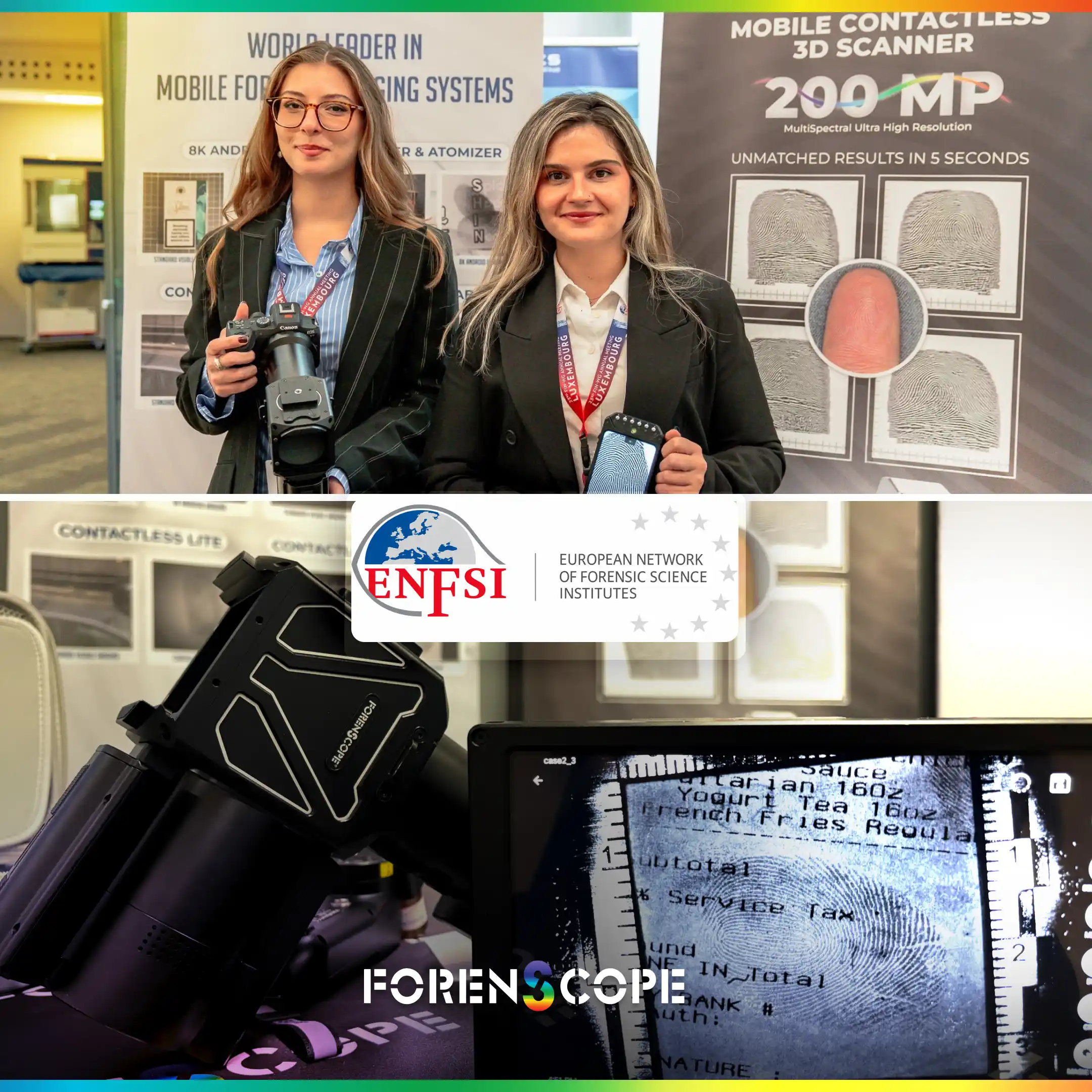
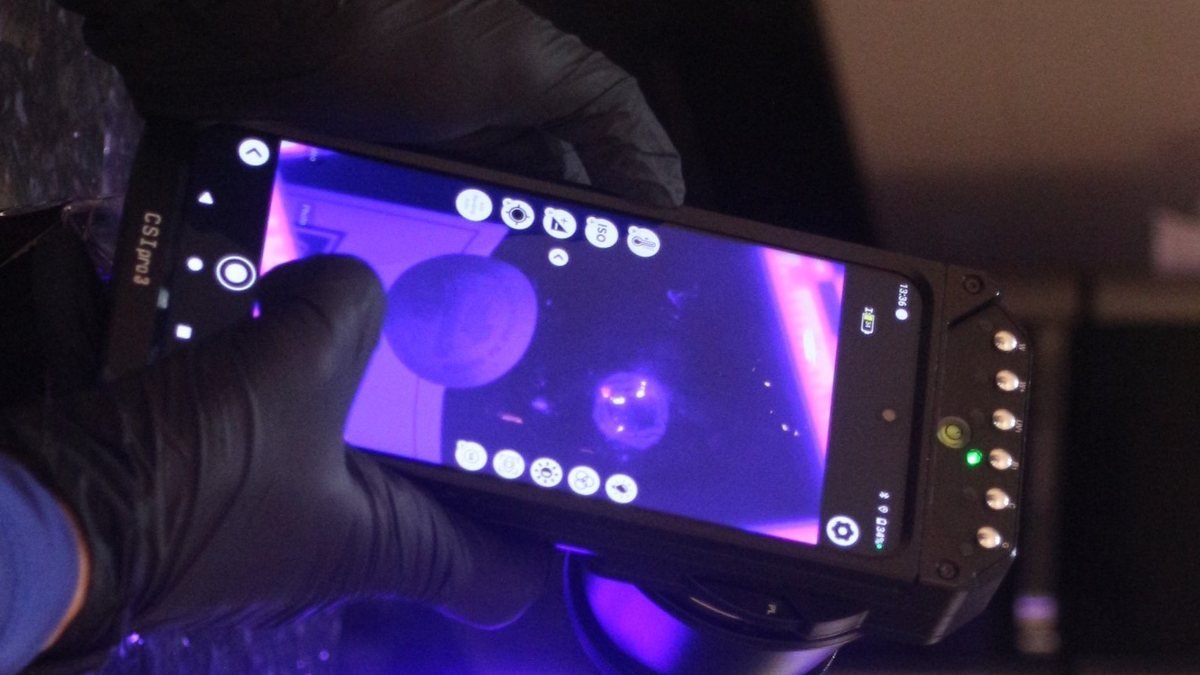
Fingerprints (and pupil prints) were also obtained using ForenScope CSI Pro 3 equipment, a technology recently introduced in Alagoas.