
Suction Ecchymosis And Bite Marks

Prof. Dr. Hakan Kar, MD – Professor of Forensic Medicine, Sexual Assault Examiner, Mersin University Medical Faculty Bite marks, kiss marks, bruises, and suction ecchymoses are among the important findings that should be considered and documented during sexual assault examinations. Although these lesions are most commonly found in the genital area following a sexual assault, […]
Detecting Pharmaceutical Substances on Textile Surfaces Using Superspectral Imaging Technology
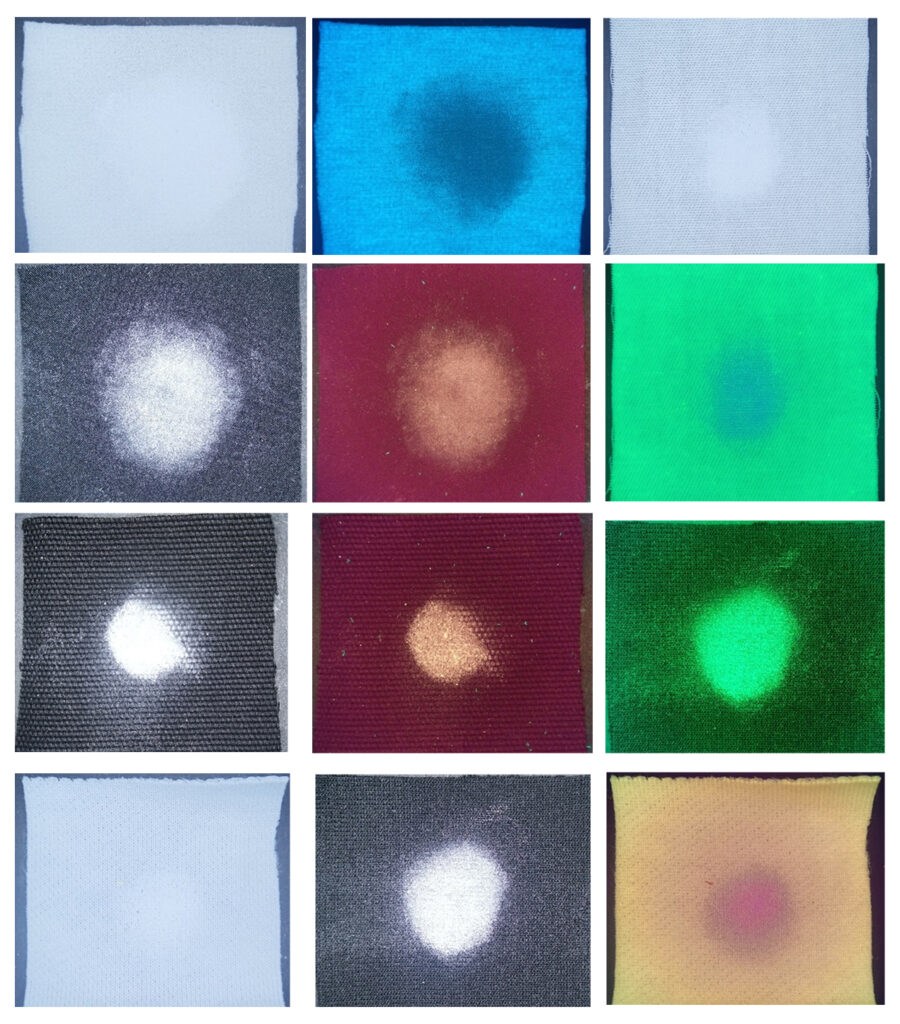
In crime scene investigation processes, the accurate detection, documentation, and analysis of physical evidence are of critical importance for the reliability of the judicial system. However, many chemical substances, especially on textile surfaces, can be present in a way that is entirely undetectable to the naked eye. This situation becomes even more critical when illicit […]
SuperSpectral in Disaster Victim Identification
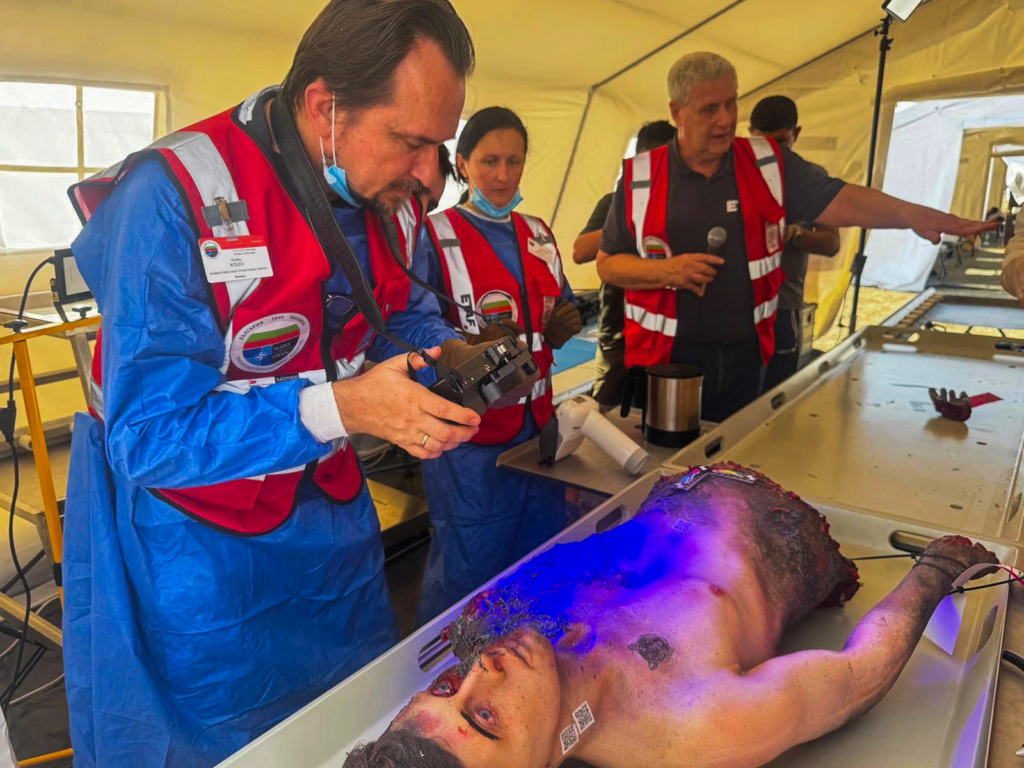
DVI Researcher with SuperSpectral System in the Photo: Dr. Yanko Kolev MD, PhD Supporting Reliable Post-Mortem Documentation in Complex Disaster Environments The European Training Center for Advanced Forensic Sciences and Disaster Victim Identification (ETAF-DVI) participated as a partner in the NATO Emergency Management Exercise held in Montana, Bulgaria, between 8–11 September 2025. Working alongside multinational […]
Crime Scene Investigation
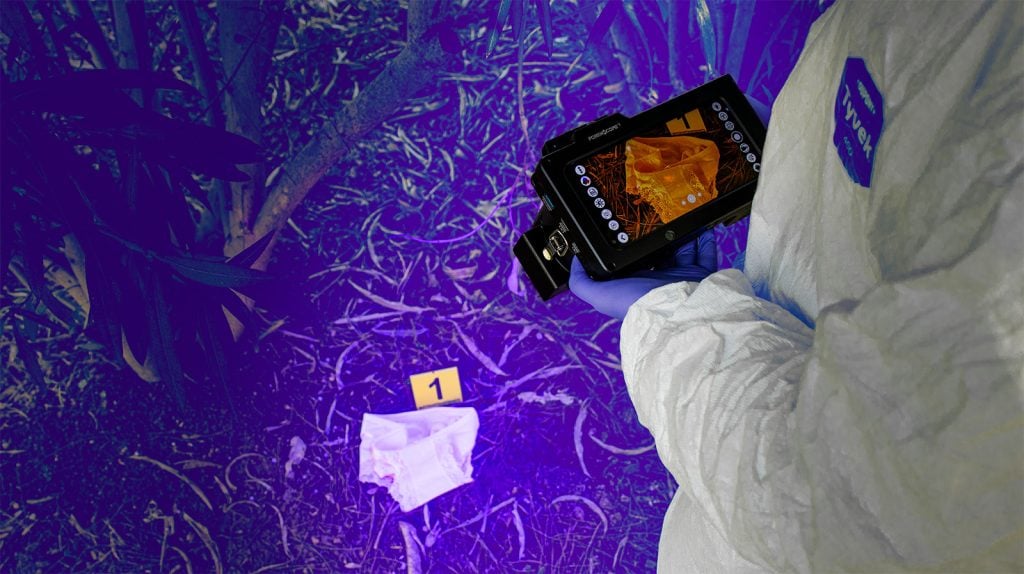
Nowadays, the complexity of the investigation conducted with the aim of identifying who is responsible for a criminal act is due both to new technological contexts and to the diversity of knowledge and tools brought together by the various disciplines that collaborate for this purpose. Criminalistics and forensic sciences account for this growth and the […]
Crime Scene
The establishment of a basic, consensual, and coordinated intervention methodology at the crime scene will optimize the use of resources and will certainly help to increase the proportion of solved crimes, which is a fundamental objective in the fight against impunity. Consequently, it is essential to be considered to avoid later mistakes that could hinder […]
Digital Forensics

Digital forensics is the branch of forensic science that focuses on identifying, obtaining, processing, analyzing, and reporting electronically stored data. Electronic evidence is a component of nearly all criminal activity, and digital forensics support is essential for law enforcement investigations. Digital forensics began to evolve more than 30 years ago. This field originated mainly in […]
Touch DNA on Knife
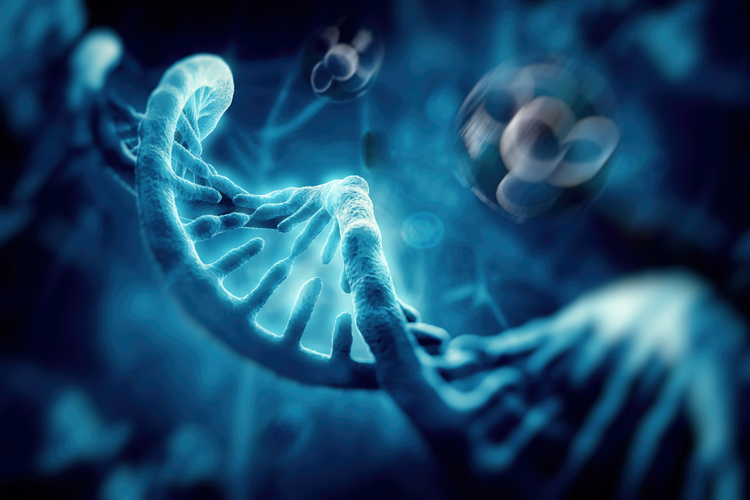
The manner of injury may be a clue to the blade used for stab wounds and to the nature of the attack. For example, a cutting action can cause long but superficial cuts, while a deep puncture wound with a stud can result. A forensic investigator can measure the timing of the dashes to determine […]
Wildlife Forensics
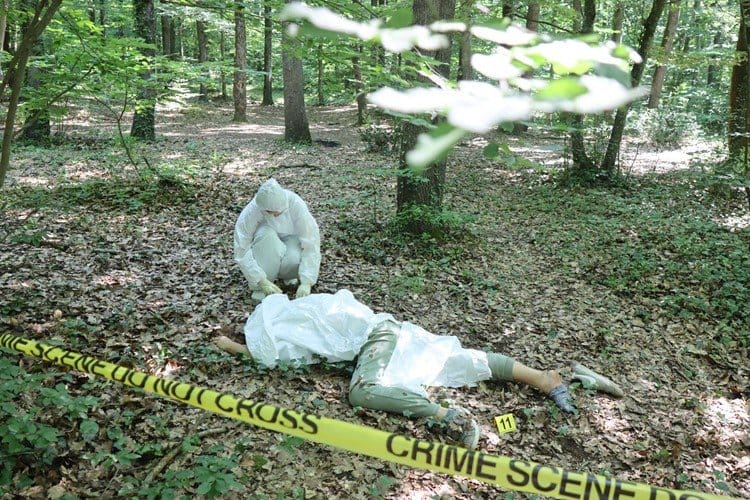
Wildlife forensics is the application of science to legal cases involving wildlife. This field uses scientific procedures to investigate wildlife-related crimes, including the exotic pet trade, poaching, other illegal hunting activities, and even oil spills. Wildlife crime is a current global problem due to the illegal trade of wildlife flora, fauna, and products all over […]
Palm Print Identification in Forensic Sciences
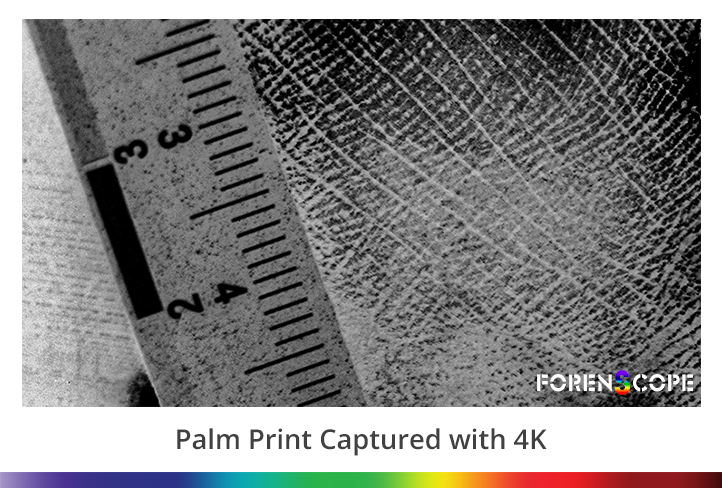
Palm Print Identification in Forensic Sciences Palm prints are generally considered an identification by forensic scientists. Identification with palm fingerprints has become an essential tool in identifying criminal suspects. Law enforcement estimates that about a third of crime scene scars come from the palms of the hands. Palm identification can be beneficial in thefts […]
Tire Track & Footprint
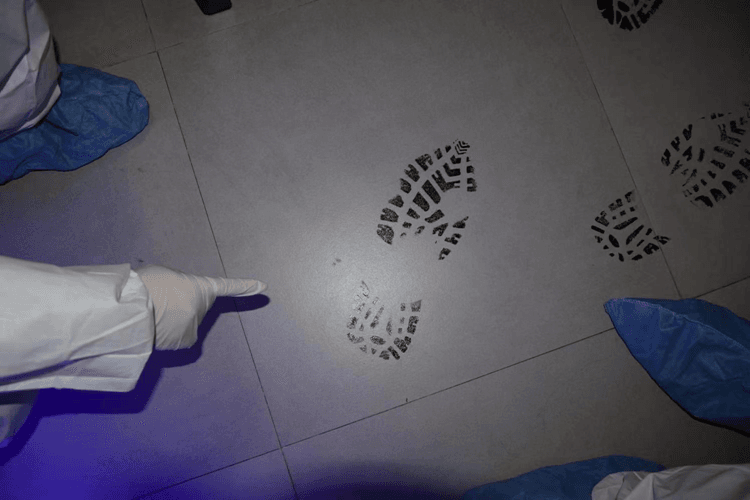
Footprint &Tire Track Traceology is a discipline that develops scientific and technological tools to uncover, preserve and examine traces to clarify situations that can aid in the investigation and prevention of crime. Traces are classified as trace-reflections, trace-objects and trace substances. Shoe marks and tire marks belong to the trace reflection group. The main […]